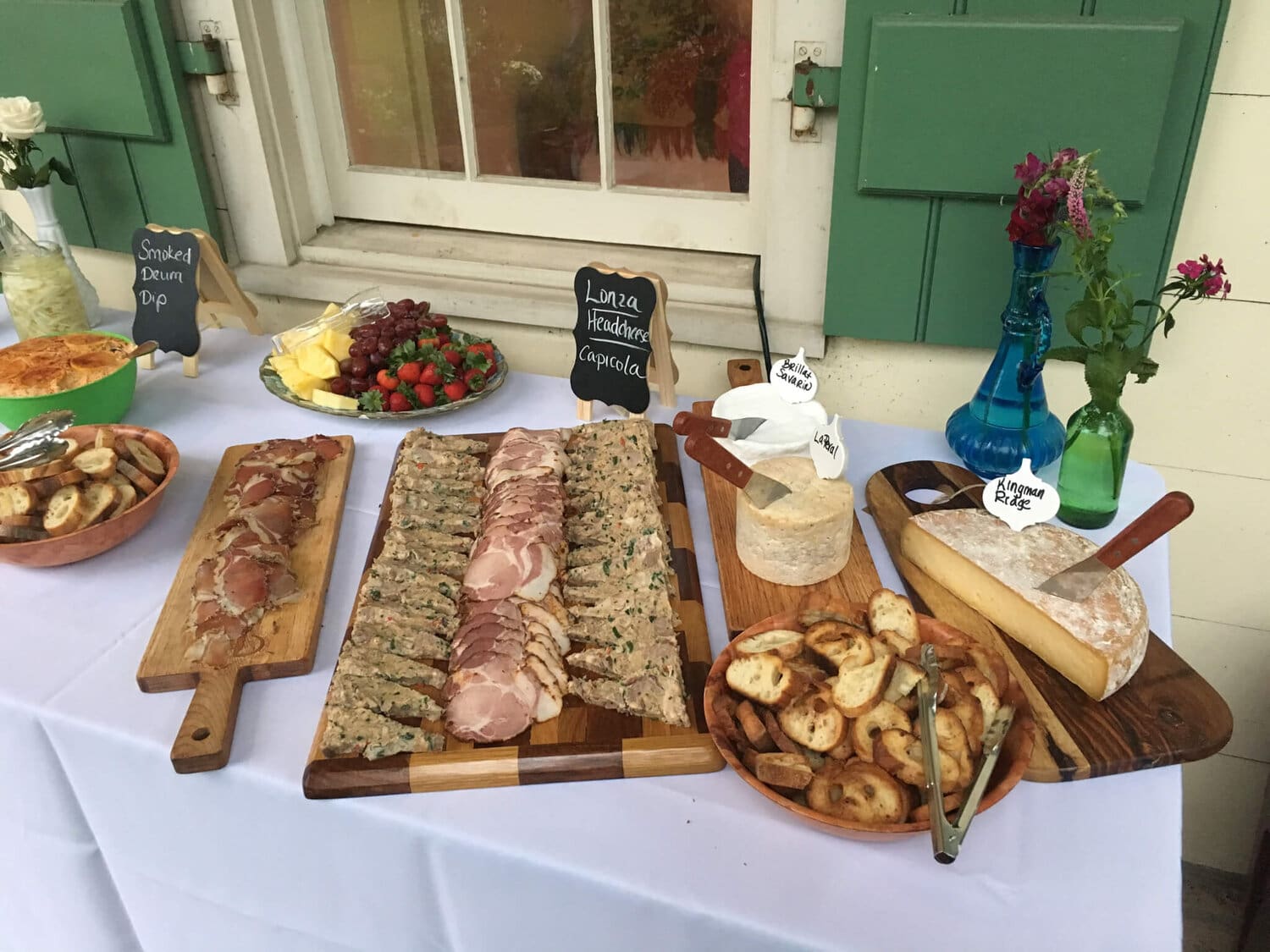

Whether you’re hosting an intimate dinner party for twenty or a grand celebration for two hundred, private events catering can transform your event from ordinary to extraordinary. Professional catering services handle the culinary details so you can focus on what really matters: spending time with your guests and enjoying the occasion. But if you’ve never hired a caterer before, the process might seem complicated. What should you expect? How do you choose the right catering package? And what questions should you ask before signing a contract?
This guide walks you through everything you need to know about special event catering, from understanding different service styles to planning menus that accommodate various dietary needs. By the end, you’ll feel confident about hiring a caterer for your next gathering, regardless of size or formality.
Understanding Different Service Styles for Private Events Catering
One of the first decisions you’ll make when planning a catered event is choosing a service style that matches your vision and budget. Each option creates a different atmosphere and comes with its own considerations.
Buffet-style service is one of the most popular choices for both large and small gatherings. Guests serve themselves from a display of dishes, allowing them to choose what they want and how much. This style works well for casual events and typically costs less than plated service since it requires fewer servers. Buffets also accommodate picky eaters naturally, as guests can skip dishes they don’t enjoy.
Plated service brings a more formal feel to your event. Servers deliver pre-portioned meals directly to each guest at their table, similar to a restaurant experience. This option requires more staff and coordination, which increases costs, but it creates an elegant atmosphere perfect for fundraising galas, milestone celebrations, or formal dinner parties.
Family-style service strikes a balance between buffet and plated options. Large platters of food are placed on each table, and guests pass them around, serving themselves. This communal approach encourages conversation and creates an intimate, homey feeling that works beautifully for gatherings where you want guests to feel like family.
Cocktail-style receptions feature passed hors d’oeuvres and stationed appetizers rather than a full meal. Servers circulate with trays of bite-sized offerings while guests mingle. This format works perfectly for networking events, happy hours, or celebrations where socializing takes precedence over sit-down dining.
Station service combines elements of buffet and cocktail styles. Instead of one long buffet line, food is displayed at multiple interactive stations throughout your venue. Guests might visit a carving station for sliced meats, a pasta station where chefs prepare custom dishes, or a raw bar featuring fresh seafood. Stations encourage movement and create visual interest throughout your space.
Choosing the Right Menu for Your Private Events Catering
Your menu should reflect both your personal taste and the nature of your gathering. A backyard birthday party calls for different fare than a corporate appreciation dinner, even if both events have similar headcounts.
Start by considering the time of day. Morning events might feature breakfast items like pastries, fresh fruit, and coffee service. Afternoon gatherings often work well with lighter fare like salads, sandwiches, or passed appetizers. Evening celebrations typically call for heartier options with proteins, sides, and more substantial dishes.
Think about the season when selecting your menu. In Louisiana, summer heat might make lighter seafood dishes and refreshing salads more appealing, while cooler months are perfect for rich, warming comfort foods. Seasonal ingredients taste better and often cost less since they’re readily available.
Consider your guest demographics too. A crowd of young professionals might appreciate trendy small plates and creative presentations, while a multi-generational family gathering might call for crowd-pleasing classics everyone can enjoy. If you’re hosting guests from out of town, incorporating regional specialties gives them a taste of local food culture they won’t find at home.
For events in New Orleans, that means you have the opportunity to showcase the incredible flavors that make this city’s cuisine famous. Dishes featuring fresh Gulf seafood, slow-cooked proteins with rich sauces, and classic Creole and Cajun preparations give your guests an authentic taste of Louisiana hospitality.
Accommodating Dietary Restrictions and Preferences
Modern private events catering must account for various dietary needs, from food allergies to ethical preferences. Professional caterers are experienced in handling these requests, but you need to gather the information and communicate it clearly.
When sending invitations, include a line asking guests to note any dietary restrictions or allergies. Common concerns include:
- Vegetarian and vegan diets
- Gluten sensitivities or celiac disease
- Dairy allergies or lactose intolerance
- Nut allergies
- Shellfish allergies
- Religious dietary requirements (kosher, halal)
Once you know your guests’ needs, discuss them with your caterer during menu planning. Most caterers can create alternative dishes or modify existing recipes to accommodate various requirements. Vegetable-based dishes can often be prepared in ways that satisfy both vegetarian and vegan guests, while gluten-free options have become increasingly common and sophisticated.
Don’t wait until the last minute to share this information. Give your caterer at least two weeks’ notice about specific dietary needs so they have time to plan, order appropriate ingredients, and prepare alternatives thoughtfully rather than as an afterthought.
Understanding Catering Pricing and Packages
Catering costs vary widely based on several factors, and understanding what influences pricing helps you budget appropriately and avoid surprises.
Per-person pricing is the most common model. You’ll see quotes like “$40 per person” that typically include the food itself and basic disposable dinnerware. The per-person cost increases with more elaborate menus, premium ingredients, and higher levels of service.
Staffing fees are usually separate from food costs. You’ll need servers to set up, maintain buffets, pass hors d’oeuvres, and clean up. The number of staff required depends on your guest count and service style. Plated dinners need more servers than buffets, and passed hors d’oeuvres require dedicated staff to circulate with trays.
Rental costs may or may not be included in catering packages. Some caterers include eco-friendly disposable dinnerware in their pricing, while others can arrange rentals for china, glassware, linens, and even furniture if your venue doesn’t provide these items.
Gratuity and sales tax are typically added on top of the base pricing, so factor these into your budget. Some caterers include gratuity in their service fees, while others leave it to the client’s discretion.
When comparing quotes from different caterers, make sure you’re looking at apples-to-apples comparisons. One caterer’s lower per-person price might not include items that another’s higher price covers, like staffing or certain service elements.
Planning for Bar Service
If you want to serve alcohol at your event, you have several options depending on your caterer and venue.
Some caterers have their own liquor licenses and can provide full bar service, handling everything from beer and wine to specialty cocktails. This simplifies coordination since you’re working with one vendor for both food and beverages. Other caterers don’t offer bar service, requiring you to hire a separate bartending service or arrange a cash bar through your venue.
Bar packages typically come in tiers. Basic packages might include domestic beer, house wine, and a simple cocktail selection. Mid-tier packages upgrade the liquor brands and expand the beer and wine selection. Premium packages feature top-shelf spirits, craft beers, and more elaborate cocktail menus.
Don’t forget about non-drinkers. Good bar service includes appealing non-alcoholic options beyond just soft drinks—think sparkling water, fresh juices, and creative mocktails that make everyone feel included in the toast.
Confirm that your venue allows outside bar catering if your caterer will be providing alcohol service. Some venues have exclusive beverage agreements or require specific licensing, so verify these details early in your planning process.
Working With Your Venue
Your venue choice significantly impacts your catering options and requirements. Some venues have commercial kitchens that caterers can use, while others are essentially blank slates where your caterer must bring in all equipment.
Full-service venues often have their own catering teams or lists of preferred caterers who know the space well. While this limits your options, these caterers are familiar with the venue’s layout, equipment, and any quirks that might affect service.
Venues without kitchens require caterers to bring in warming equipment, refrigeration, and cooking appliances. This increases costs but gives you freedom to choose any licensed caterer you prefer.
Outdoor venues present special considerations. Your caterer needs reliable power sources, protection from weather for food displays, and proper temperature control to keep hot foods hot and cold foods cold. Always have a backup plan for rain or extreme temperatures.
Historic or unique venues in New Orleans might have restrictions on what caterers can and cannot do. Some don’t allow open flames, others have strict cleanup requirements, and some limit where food can be prepared or served. Working with an experienced caterer in New Orleans can also help plan for smooth event catering.
Share all venue information with your caterer early. They need to know about kitchen facilities, parking for their vehicles, loading dock access, table and chair availability, and any restrictions or requirements the venue imposes.
Timeline for Booking a Caterer
How far in advance should you book catering services? That depends on your event size, date, and location, but earlier is always better than later.
For large events like weddings or major celebrations during peak seasons, book your caterer 6-12 months in advance. Popular dates fill up quickly, and the best caterers have limited availability. Medium-sized corporate events or private parties can often be booked 2-4 months out, though giving more notice is always appreciated and increases your options. Smaller, more casual gatherings might be accommodated with just a few weeks’ notice, depending on the caterer’s schedule.
Regardless of your timeline, reach out to potential caterers as soon as you have your date and estimated guest count. Initial conversations don’t commit you to anything but help you understand what’s possible within your budget and timeline.
Questions to Ask Caterers
Before committing to a catering service, ask these important questions:
- Do you have experience with events similar to mine in size and style?
- Can I see photos from recent events you’ve catered?
- Are tastings available so I can sample your food?
- What’s included in your per-person pricing?
- How many staff members will you provide?
- Do you handle rentals, or do I need to arrange those separately?
- Can you accommodate dietary restrictions and special requests?
- What happens if my guest count changes close to the event date?
- Do you provide bar service, or do I need a separate vendor?
- What’s your cancellation and refund policy?
Professional caterers should answer these questions clearly and provide references if requested. Trust your instincts—you want to work with someone who listens to your vision, offers helpful suggestions, and makes you feel confident about your event.
Making Your Private Events Catering Memorable
Great private events catering does more than just feed your guests; it creates an experience they’ll remember. Fresh ingredients, thoughtful presentation, and attentive service all contribute to the overall atmosphere of your gathering.
Whether you’re hosting an intimate dinner party or a large-scale celebration, professional catering removes the stress of food preparation and allows you to be present at your own event. You won’t miss important moments because you’re stuck in the kitchen, and you won’t end the night exhausted from cooking and cleanup.
Ready to start planning the catering for your next special event? Reach out to discuss menu options, service styles, and how professional catering can transform your gathering into an unforgettable celebration. Contact us at (504) 541-0091 to get started.